Introduction
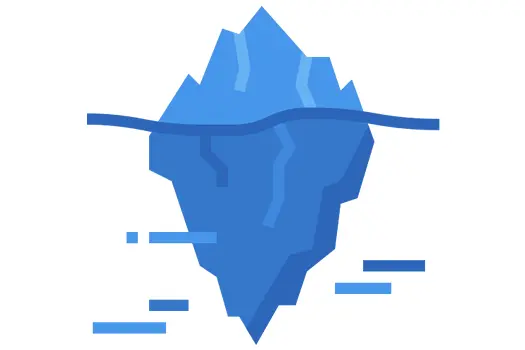
When most people think of the Internet, they picture familiar sites like Google, YouTube, or Facebook. But in reality, the Internet is often described as having layers—from the easily accessible surface web to the more hidden and obscure deep web and dark web.
While these “layers” are sometimes exaggerated into myths about secret levels of the Internet, the truth is more nuanced. Understanding what lies beyond the websites you browse every day is essential for both curiosity and cybersecurity awareness.
Level 0 - The Common Web
This is the part of the Internet you interact with daily. Think of:
- Google, Yahoo, Bing
- Social networks like Facebook, Instagram, LinkedIn
- Video platforms like YouTube and TikTok
Everything here is indexed by search engines and safe for general browsing.
Level 1 - the Surface Web
The surface web includes websites accessible without special tools, but not always indexed by Google. Examples might include:
- Online forums (e.g., Reddit, niche communities)
- Alternative search engines
- Hosting platforms, blogs, and private websites
- Educational databases, campus intranets, or subscription-based services
This part of the web is still accessible to the average user but may require direct links or logins.
A term sometimes used for semi-hidden areas of the web. While still technically surface-accessible, you may encounter:
- Restricted FTP servers
- Cached or hidden search engine results
- Sites behind paywalls or limited memberships
Most of these resources are not malicious, but they’re less visible to casual users.
Here’s where things start to diverge from the “myths.”
The deep web refers to all online content that is not indexed by search engines. but perfectly legal and common. Examples include:
- Private databases
- Academic research portals
- Government archives
- Cloud storage (Google Drive, Dropbox, etc., if not shared publicly)
- Medical records, financial data, and intranets
The deep web is massive—by some estimates, over 90% of the entire Internet lives here. Importantly, most of it is not dangerous—it’s just private.
Level 4 – the Dark Web
The dark web is a small portion of the deep web that requires special tools to access, most commonly the Tor browser.
- Uses: Privacy protection, anonymous communication, whistleblowing platforms.
- Risks: Illegal marketplaces, scams, and malicious actors.
- Famous entry point: The Hidden Wiki, a directory of .onion links.
Warning: While there are legitimate uses (journalists, activists, researchers), exploring the dark web without experience can expose you to legal, ethical, and security risks.
Levels 5 and Beyond - the Myths
Stories often circulate online about mysterious layers of the Internet—names like “Marianas Web”, “Charter Web”, or “Level 8 Primarch System.” These are fascinating legends, but they remain mythical constructs rather than verifiable facts.
- Claims include secret government experiments, supercomputers, or AI systems controlling the net.
- Most cybersecurity experts consider these “levels” to be Internet folklore, blending conspiracy theories with curiosity.
Staying safe while exploring the web
Whether you stick to the surface web or explore privacy-focused tools:
- Use a VPN – Protect your IP and identity.
- Keep JavaScript disabled in Tor for extra anonymity.
- Avoid downloads from unknown sources.
- Never share personal information on untrusted sites.
- Remember legality – accessing certain dark web content can have real legal consequences.
Conclusion
The Internet is often portrayed as a mysterious ocean, with only the surface visible to most users. While the deep web is mostly practical and safe, the dark web introduces both opportunities for privacy and serious risks.
The myths about deeper levels of the Internet—while entertaining—should be approached as digital folklore, not fact.
Ultimately, the choice to explore lies with you. But remember: curiosity should always be balanced with caution, legality, and cybersecurity best practices.